

Cooling System Repair in Tacoma, WA
Engine Cooling Solutions That Protect Your Engine and Performance
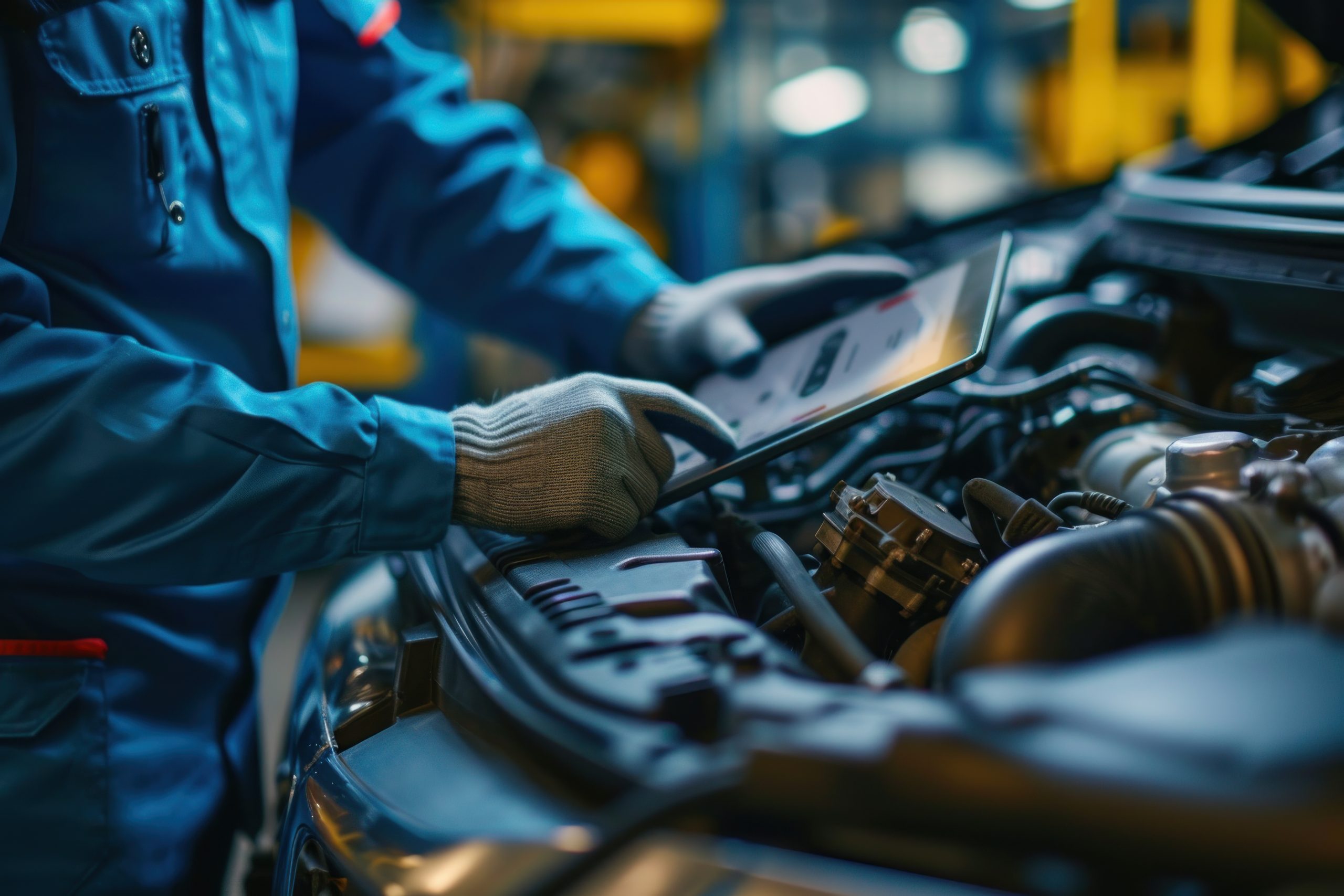
How Your Vehicle’s Cooling System Keeps Your Engine Safe
Your vehicle’s cooling system works as a complex network of interconnected parts designed to maintain optimal engine temperature and prevent costly overheating damage. The radiator serves as the primary heat exchanger, working alongside the water pump that circulates coolant throughout the engine block and cooling passages. Your thermostat acts as a temperature-controlled valve, regulating coolant flow to maintain proper operating temperature, while cooling fans provide additional airflow when your vehicle is idling or moving slowly. The coolant hoses transport antifreeze between components, and your heater core doubles as a secondary heat exchanger that warms your cabin during cold Pacific Northwest winters. At Eagle Tire & Automotive – Tacoma, our ASE-certified technicians understand how each component affects your cooling system’s overall performance. The expansion tank manages coolant volume changes as temperatures fluctuate. When any single component fails, it can cascade into more serious engine problems that require immediate attention to the cooling system.
Warning Signs That Indicate Cooling System Problems
Engine overheating represents the most obvious sign that your cooling system needs professional attention. However, several earlier warning indicators can help you avoid roadside emergencies on busy Tacoma streets. When your temperature gauge reading climbs into the red zone or above normal, your cooling system is struggling to maintain proper engine temperature. Coolant leaks often appear as colorful puddles under your parked vehicle, ranging from bright green to orange or pink, depending on your antifreeze type. A sweet smell from the engine area typically indicates coolant is burning off on hot engine surfaces, while white steam billowing from under your hood signals immediate overheating that requires you to pull over safely. Your heater not working properly during cold weather can indicate problems with your heater core or insufficient coolant circulation. Our experienced team at 5500 Olympic Drive NW Gig Harbor, WA 98335 has diagnosed thousands of cooling system issues, and we recommend addressing these warning signs immediately to prevent expensive engine damage. Pacific Northwest driving conditions, including stop-and-go traffic and occasional temperature extremes, can accelerate cooling system wear, making early detection crucial for maintaining reliable transportation.
Trusted Cooling System Repair to Avoid Costly Engine Damage
Eagle Tire & Automotive – Tacoma provides complete cooling system repair services using state-of-the-art diagnostic equipment and quality OEM or equivalent replacement parts. Our coolant flush service removes old, contaminated antifreeze. It replaces it with fresh coolant that provides optimal protection against freezing, boiling, and corrosion. We perform thorough pressure testing to identify leaks in hoses, gaskets, and cooling system components before they cause roadside breakdowns. Radiator replacement becomes necessary when internal corrosion or external damage compromises cooling efficiency, and our technicians ensure proper fit and performance for your specific vehicle make and model. Water pump service addresses circulation problems that can lead to overheating, while thermostat replacement restores proper temperature regulation throughout your engine’s operating range. Our facility at 102 Puyallup Ave Tacoma WA, 98421 features modern equipment for diagnosing complex cooling system problems, and we provide digital inspection reports that clearly explain recommended repairs. You can reach us at (253) 627-7788 to schedule your cooling system inspection, and our convenient accommodates busy Pacific Northwest schedules with professional service you can trust.
Frequently Asked Questions About Cooling System Repair
Most manufacturers recommend cooling system service every 30,000 to 50,000 miles. However, Pacific Northwest driving conditions may require more frequent attention due to stop-and-go traffic and temperature variations.
Age, corrosion, and temperature cycling cause rubber hoses and gaskets to deteriorate over time, while radiator damage from road debris or internal corrosion can create leaks requiring professional repair.
Small leaks can quickly become major problems, leading to engine overheating and expensive damage, so immediate professional inspection and repair are always recommended for any coolant loss.
Water pump failure typically causes coolant leaks near the front of the engine, unusual noises from the pump area, or overheating due to poor coolant circulation throughout the system.
A complete flush removes old coolant, cleans internal passages of debris and corrosion, pressure tests for leaks, and refills with fresh antifreeze mixed to manufacturer specifications for your climate.